Accessibility
Contrast
Increase Font
Decrease Font
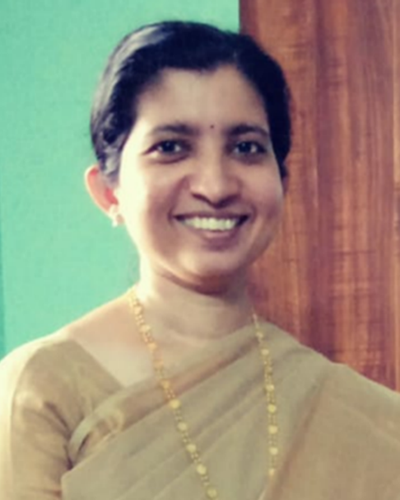
Assistant Professor
8606113936
ku.sbs.veena@gmail.com
Qualifications : PhD in Applied Psychology
Areas of Current Research Interest
My research interests span the dynamic intersections of health psychology, counselling psychology, and positive psychology, with a particular focus on health psychology— the cornerstone of my PhD thesis from Pondicherry University—and counselling as pivotal domains for fostering resilience and well-being in contemporary society. Broadly, I am drawn to health psychology's exploration of how psychological factors influence physical health outcomes, preventive behaviours, and recovery processes, particularly in the context of chronic conditions that burden global healthcare systems. My doctoral work delved deeply into this area, examining the biopsychosocial mechanisms underlying health behaviours, stress-related vulnerabilities, and adaptive coping strategies, with an emphasis on empirical interventions that bridge mind-body connections to enhance patient empowerment and quality of life.
Complementing this, my interests in counselling psychology center on therapeutic applications tailored to chronic illness management, notably diabetes counselling. Here, I investigate how evidence-based counselling frameworks—such as motivational interviewing, cognitive- behavioural techniques, and Acceptance and Commitment Therapy (ACT)—can empower individuals to navigate the emotional, behavioural, and lifestyle challenges of diabetes self- management. By integrating psychological flexibility and self-efficacy principles, my work highlights counselling's role in mitigating diabetes-related distress, improving glycaemic control, and promoting long-term adherence to treatment regimens amid India's rising epidemic of non-communicable diseases. This focused lens extends to broader chronic illness contexts, like cardiovascular conditions and oncology, where counselling serves as a vital scaffold for holistic care.
Overarching these focused areas, positive psychology infuses my scholarship with an optimistic paradigm, emphasizing strengths-based approaches such as post-traumatic growth, character strengths cultivation, and well-being interventions. I am passionate about leveraging positive psychology to amplify health and counselling outcomes, designing scalable programs that cultivate resilience, gratitude, and purpose in vulnerable populations. Ultimately, my research agenda seeks to translate these insights into practical, culturally sensitive tools for higher education, clinical practice, and public health policy in India, advancing psychological science's transformative potential for human flourishing.
Contributions to teaching
My contributions to teaching, though nascent in duration, reflect a committed foundation built during my tenure as a Teaching Assistant at Kannur University, where I played an instrumental role in postgraduate psychology courses on Clinical and Counselling Psychology. My hands-on involvement extended to developing formative assessments—including multiple-choice quizzes, role- playing exercises, and reflective assignments—that not only gauged comprehension but also fostered critical thinking and real-world application.
Looking ahead, I intend to contribute meaningfully to higher education by pioneering innovative, evidence-based pedagogies that bridge theory and practice in psychology. My vision centers on developing comprehensive course modules for health psychology, diabetes counselling, and positive psychology interventions, emphasizing experiential learning through simulations, group therapy practicums, and community outreach programs tailored to India's sociocultural context. I aim to integrate cutting-edge research methodologies, such as mixed-methods designs and digital assessment platforms, to equip students with skills for clinical practice, academia, and public health advocacy. By fostering psychological flexibility and resilience in learners, I seek to cultivate ethical, empathetic professionals who can address pressing challenges like chronic illness management and mental health disparities. Ultimately, my teaching philosophy—rooted in active voice, transformative dialogue, and inclusive excellence—strives to inspire lifelong inquiry, empowering the next generation of psychologists to drive societal well-being.
Illness Perception, Coping, and Self-Care Adherence
Among Adults With Type 2 Diabetes
Nambiar Veena Chindankutty 1* and Dhanalakshmi Devineni1
*Nambiar Veena Chindankutty, corresponding author Email veenaresearch13@gmail.com
Submitted 4 May 2023. Accepted 7 March 2024. Published 27 March 2024
Volume 32, 2024 pp 687 705. http doi org 10 25133 JPSSv322024 040
Abstract
Understanding the key factors in managing type 2 diabetes over the long term has become necessary. This study aims to explore the association between illness perception, coping, and self-care adherence among adults with type 2 diabetes and find the influence of illness perception and coping on self-care adherence. A cross-sectional survey design was used to
collect data from 123 adults with type 2 diabetes aged between 30 and 55 years. The questionnaires included the Brief Illness Perception Questionnaire (BIPQ), Brief COPE, Self- Care Inventory-Revised (SCI-R), and a personal information sheet. A significant correlation was found between illness perception, maladaptive and adaptive coping strategies, and self-
care adherence. Adaptive coping, illness perception, and maladaptive coping strategies together explained a 59.9% variance in self-care adherence (F(3, 119) = 59.29, p < .001). The study highlights the importance of developing a less threatening perception of the illness and enhancing the practice of adaptive coping strategies for achieving better self-care adherence among people with type 2 diabetes. This study signifies the need for a collaborative approach by healthcare professionals, mental health providers, and policymakers to provide accurate diabetes self-management knowledge and develop interventions tailored to needs.
Keywords
Adaptive coping; illness perception; India; maladaptive coping; self-care adherence; type 2 diabetes